
Most commercial roofs carry a manufacturer warranty. Most owners file it and assume it will pay out when the roof fails.
Plenty of them won’t.
The warranty is a contract with conditions
Read the document and the conditions are all there. Inspections at set intervals. Maintenance performed and recorded. Repairs made with approved materials by an approved applicator. Notice given inside a stated window after damage.
Miss those and the manufacturer isn’t breaking its promise when it denies the claim. It’s enforcing the terms you agreed to.
The denial almost never comes over something dramatic. It comes over a missing record, or over a repair somebody made with the wrong material on a Tuesday afternoon.
Two roofs, both eight years old
Same state, same membrane, same age. One had already lost its coverage. The other could still keep it for the price of a used truck.
Hotel · Tulsa
The coverage was already gone
17,000 sf TPO · installed 2018 · graded below average · 3 to 5 years left
Inspected in January, eight years in, on a roof that should have had a decade left in it.
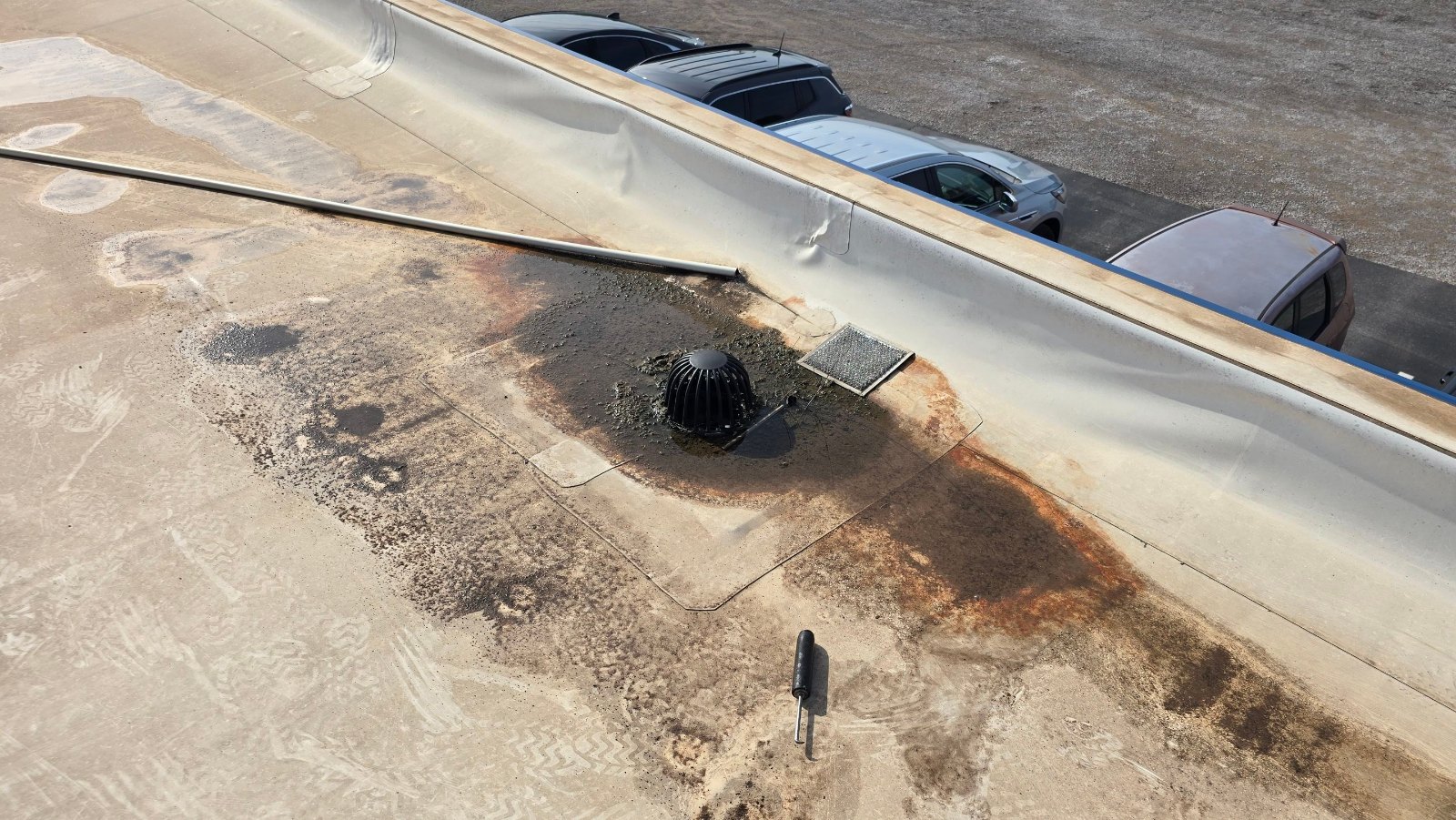
Somebody had been repairing it with asphalt-based sealant.
Asphalt is petroleum based and TPO is not. The two are chemically incompatible. Asphalt should never touch a TPO roof. Wherever that sealant went, the membrane underneath is already compromised, and those areas are likely to fail outright within one to three years.
Whatever warranty that roof carried, it isn’t paying on those areas. The repair itself is the disqualifier.
Nobody on site knew. The patches looked fine. They looked like somebody taking care of the building.
There was a second problem. The TPO was stretched too tight at the parapet transitions and bridging across them, and it had been that way since the day it went on. That’s an installation defect. Documented in year one, it’s a conversation with the manufacturer. Found in year eight, under a layer of asphalt, it’s just the owner’s problem.
Replacing it at Oklahoma prices runs north of $200,000. Every dollar of that comes out of the owner’s pocket, on a roof that was eight years old.
Movie theater · Edmond
$4,925 on the table
65,000 sf TPO · 8 years old · graded good · no leaks
Different building, opposite situation. Nothing failing. The roof graded good, and it earned that grade.
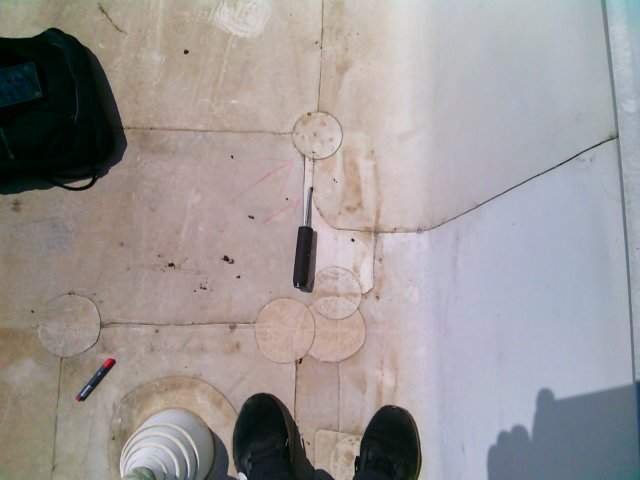
What the inspection found was ordinary. Caulk gone brittle at several penetrations. A handful of punctures in two areas. Scratches that weren’t leaking yet. Screws and debris collecting in the corners. A void in the coping letting wind get a start under the edge.
Every one of those is routine maintenance, and routine maintenance is exactly what a warranty requires you to perform and record.
The quote to correct all of it was $4,925, on a roof that costs $780,000 to $975,000 to replace.
They passed on it.
Nothing about that roof is failing today. That’s the whole point. The cheapest moment to protect a warranty is while nothing is wrong, and it’s the moment nobody wants to spend money.
Neither building hired AssetRoof. Both reports say what they say.
What else kills coverage
- Nobody clears the drains, and the ponding gets called maintenance failure.
- An HVAC contractor cuts in a new curb, flashes it himself, and no one documents it. Alteration by an unapproved party.
- Storm damage gets reported four months late, past the notice window.
- The inspections happened, but nothing was written down, so there’s no way to prove it.
None of those are exotic. They happen on ordinary roofs, with ordinary owners who thought they were covered.
What AssetRoof does about it
We read the actual warranty, then keep the record it demands.
- Track the inspections the warranty requires, on the interval it requires.
- Document every repair against the terms: what failed, what went in, who did the work, whether the material was approved.
- Photograph and log rooftop changes, including work other trades do up there without telling you.
- Flag anything that threatens coverage while there is still time to redo it the warranty’s way.
A seam repaired wrong this month is a cheap fix. The same seam found during a claim three years from now is not.
We don’t perform the repair, so the recommendation isn’t a bid.
The Warranty Oversight Visit is quoted by scope, based on the roof and what the warranty requires. See full pricing.
What you get back
A warranty that still holds the day you need it. Coverage you already paid for, kept in force.
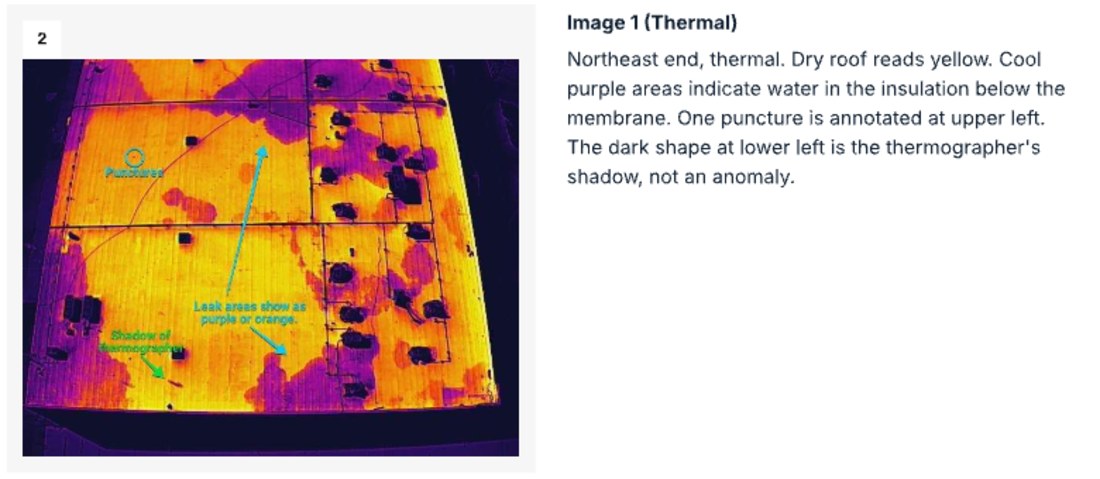
And a file you can hand to an owner, a lender, a buyer or an insurance adjuster that shows the roof was maintained, with dates and photographs behind every entry.
Documentation isn’t paperwork. It’s the difference between a claim that pays and a claim that doesn’t.
See what an AssetRoof report looks like before you hire anyone, AssetRoof included.
Keeping that record current over the years is what the ongoing program does. How AssetRoof works.
Common questions
Our roofer already does an annual inspection. Isn’t that enough?
Sometimes. It depends on what gets recorded and whether the inspection meets what the warranty specifies. A walk with no written report and no photographs is hard to submit as proof three years later.
The warranty is 12 years old. Is it worth documenting now?
Usually yes, and more so late in the term. Claims cluster in the back half of a warranty, which is also when the early record is thinnest.
How would I know if a past repair already voided my coverage?
You wouldn’t, from the ground. It takes somebody on the roof who can tell what was used and whether the system underfoot tolerates it. That’s the first thing we look for.
Can you help with a claim that’s already been denied?
Sometimes. It depends on why it was denied and what documentation exists. Worth a conversation before you write it off.
Do you work with any manufacturer’s warranty?
Yes. The requirements differ by manufacturer and by system, so the first step is reading your actual document rather than a general assumption about how warranties work.
More answers on the FAQ page.
Find out whether your warranty would survive a claim
Send over the warranty and a description of the building. We’ll tell you what it requires and what’s missing.
Or call 405-266-4441.
Keep the record, or keep the receipt for coverage you’ll never collect.